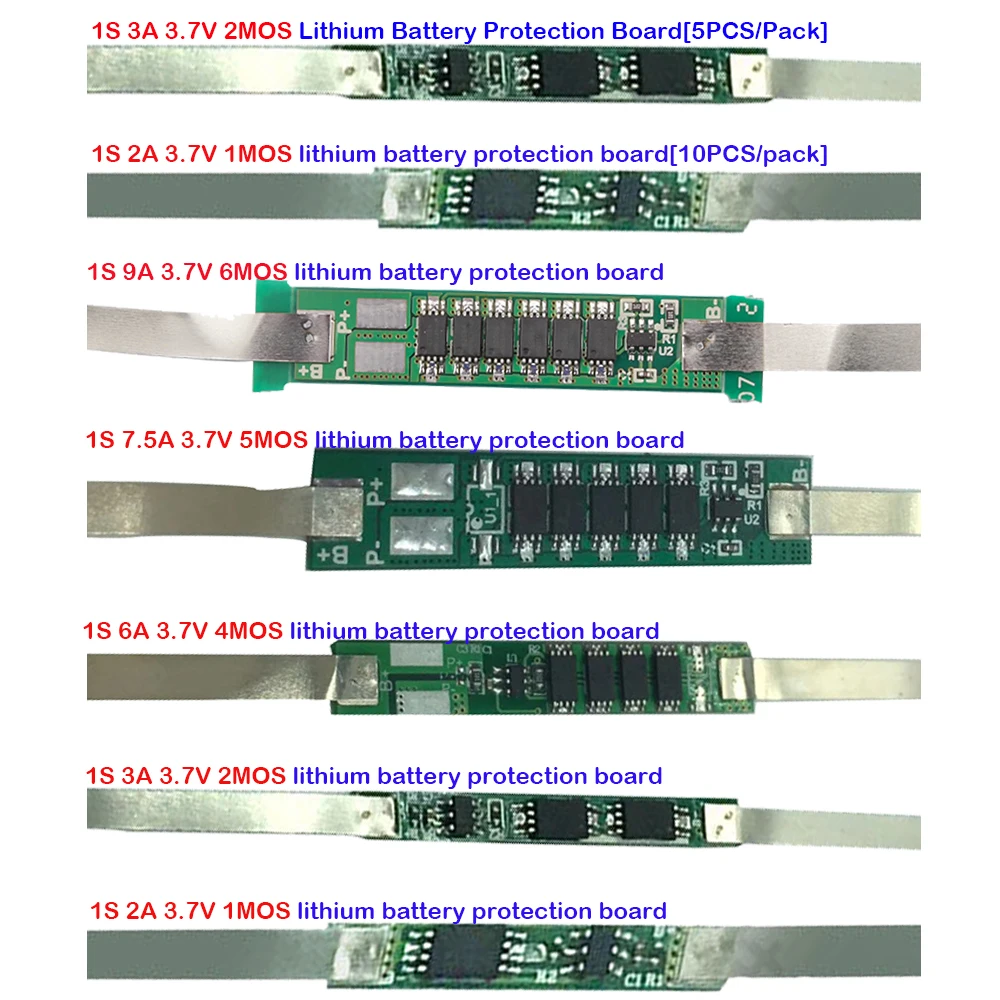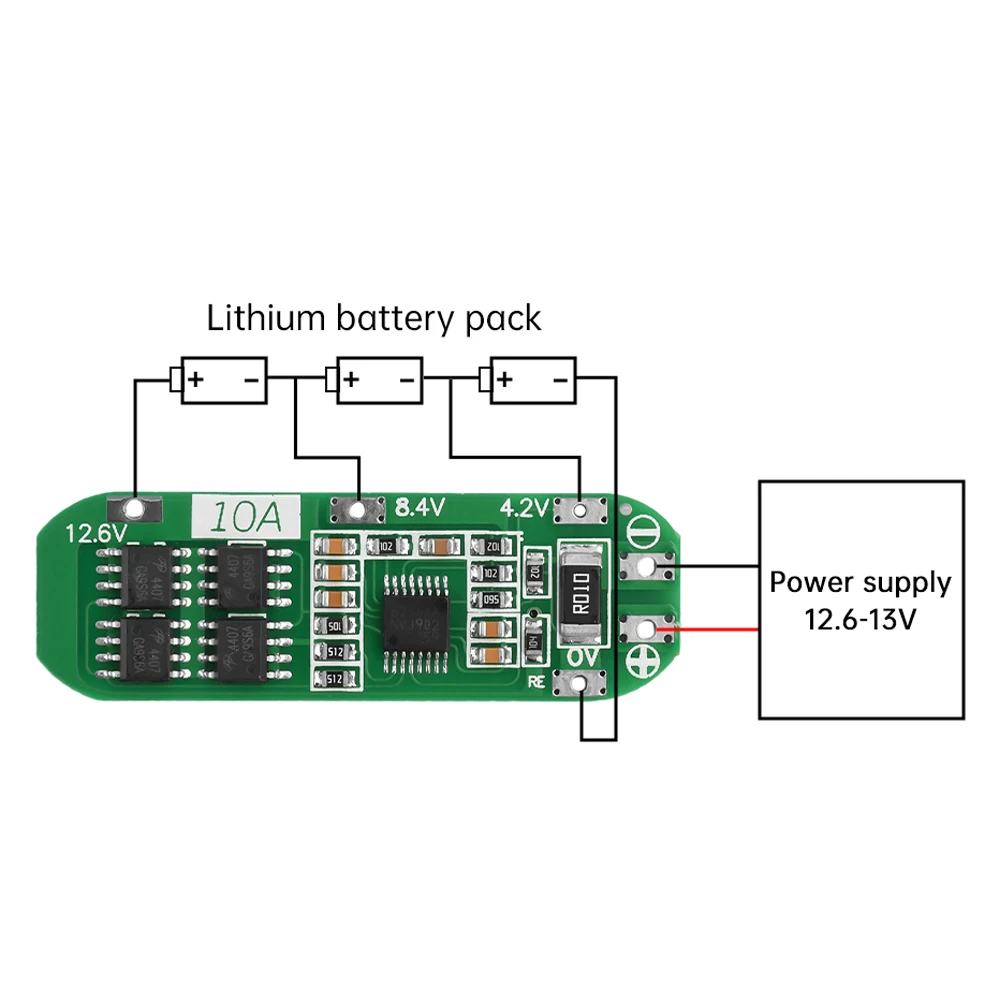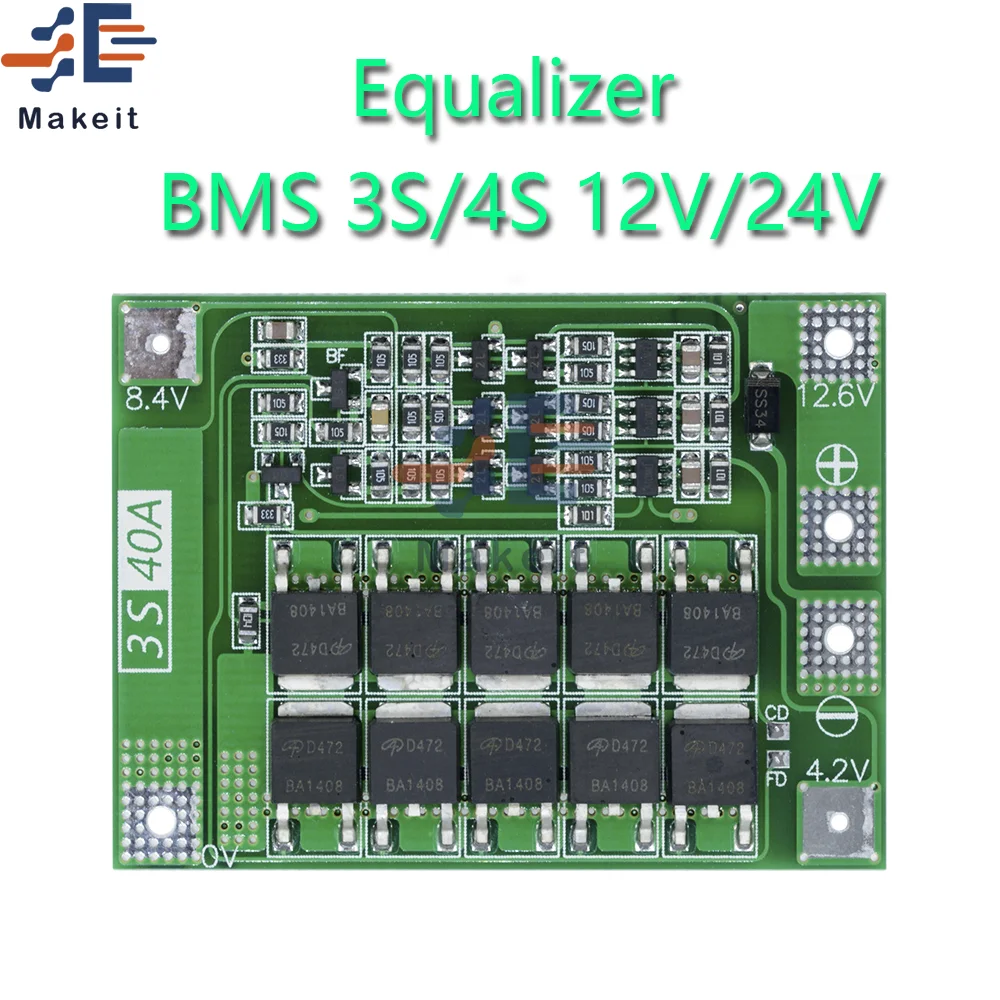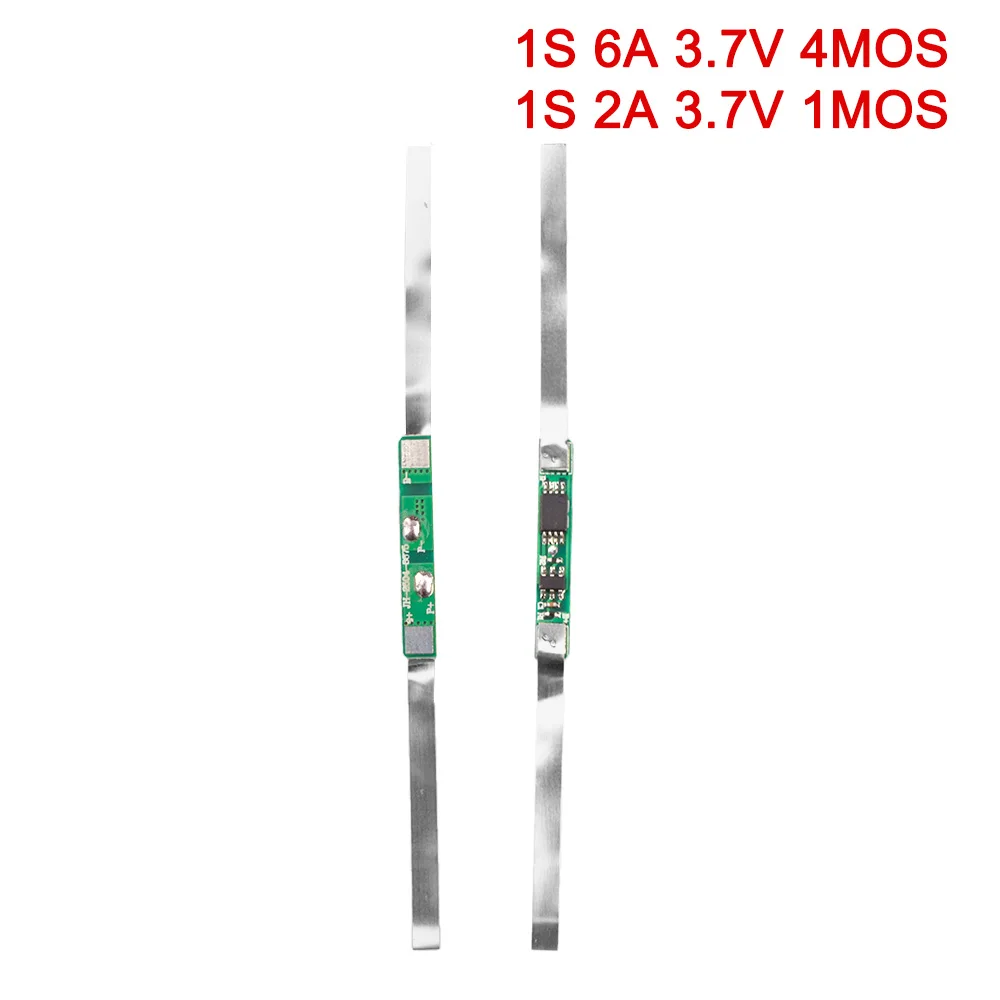
1S 6A 3.7V Lithium Battery Charger/Discharger Protection Board MOS Tube Equalizer Module Battery Management System BMS Board
1S 2A 3.7V 1MOS:Persistent discharge current: 2A-9ASingle consumable battery (self consumption): ≤ 3uACharging voltage: 3.7Charging current: 2A-9AOvercharge detection voltage: 3.7 ± 0.05VOvercharge protection delay: 1sOvercharge release voltage: 3.7 ± 0.05VOverdischarge detection voltage: 2.0-2.1VOverdischarge detection delay: 100mSOverdischarge release voltage: 2.3 ± 2.1VOvercurrent detection voltage: 200 ± 25mVOvercurrent detection delay: 10mSOvercurrent detection current: 2A-9AOvercurrent pro
- Powerful, high-efficiency processing core for rapid script execution
- Onboard USB-to-UART bridge for clean code uploads and serial logging
- Full compatibility with Arduino IDE, VS Code, and MicroPython
- Rich array of GPIO, ADC, PWM, I2C, and SPI pins for broad expansion
- Built-in low-dropout (LDO) voltage regulator for stable board supply
- Compact, double-sided PCB layout ideal for tight project custom cases
- Integrated Wi-Fi and Bluetooth BLE transceivers for smart IoT control
Need help before you buy?
Call iBuyRobotics for product guidance, compatibility questions, bulk orders, or support.
(855) I-BUY-ROBO (855) 428-9762Use Cases
Microcontroller firmware writing, edge computing, wireless IoT remote control, sensor data logging, and central robot coordination.
Compatibility Notes
Compatible with Arduino IDE, VS Code (PlatformIO), Espressif IDF, MicroPython, and standard prototyping breadboards.
Frequently Asked Questions
It is fully compatible with standard platforms like the Arduino IDE, VS Code (PlatformIO), Espressif ESP-IDF, or MicroPython editors.
Yes, most chips in this class feature built-in Wi-Fi and Bluetooth dual-mode modules for wireless connectivity.
Yes, you can connect a regulated voltage source to the VIN and GND pins, or use the onboard micro-USB/USB-C power port.
Related Products
Other products in Battery Management Systems that you may find useful.