

Ready to Build Your First Robot? Here's What You'll Discover
Starting with robotics can feel like stepping into a complex new world, but it doesn't have to be intimidating. This guide is designed to be your friendly co-pilot, helping you navigate the exciting landscape of robotics kits. We'll break down the essentials, clarify common questions, and set you on a path to confidently building your very first robot.
Demystify Robotics Kits
Understand what a robotics kit truly is, what it contains, and why it's the perfect starting point for hands-on learning.
Explore Robot Types
Get acquainted with the different categories of robots you can build, from mobile platforms to robotic arms, and find your ideal project.
Start Building Confidently
Learn the essential steps for choosing your first kit, what to expect during assembly, and how to troubleshoot common beginner hurdles.
 A typical robotics kit includes a variety of electronic and mechanical parts.
What Exactly Are Robotics Kits, and Why Should I Care?
At its core, a robotics kit is a curated collection of components designed to help you build a functional robot. Think of it as a LEGO set for electronics and programming, but with a much broader scope for creativity and learning. These kits typically include everything from the structural chassis and motors to the brain (a microcontroller) and various sensors, all packaged with instructions to guide your build.
They're incredibly valuable because they remove the guesswork of sourcing individual parts and ensure compatibility, allowing you to focus on the exciting process of assembly, wiring, and programming. It's a hands-on way to grasp complex STEM concepts without needing an engineering degree to start. Dive deeper into what makes a robotics kit here.
Are robotics kits just for kids?
Absolutely not! While many kits are designed with educational benefits for children, there's a vast range of kits tailored for teens, adults, and even experienced engineers. The complexity and learning outcomes scale significantly, offering challenges and insights for all ages and skill levels. Many adults find robotics a rewarding hobby for problem-solving and creative expression.
Do I need to know how to code before I start?
Not necessarily! Many beginner kits use visual programming interfaces (like Scratch or block-based coding) that make programming intuitive and accessible without prior experience. As you progress, you can transition to text-based languages like Python or C++, but the initial barrier to entry for coding is very low with the right kit.
Are robotics kits expensive?
The price range for robotics kits is quite broad. You can find excellent entry-level kits for under $100, while more advanced or specialized kits can cost several hundred dollars. The key is to match the kit to your budget and learning goals. There are fantastic options available at every price point to get you started.
Why Should I Start Learning Robotics?
Beyond the sheer fun of building something that moves and interacts with the world, learning robotics offers a wealth of practical and cognitive benefits. It's an interdisciplinary field that touches on engineering, computer science, and even art, making it a powerful tool for holistic development.
Whether you're looking for a new hobby, a way to engage your children in STEM, or a path to a future career, robotics offers a rewarding journey. Explore more reasons to start your robotics adventure.
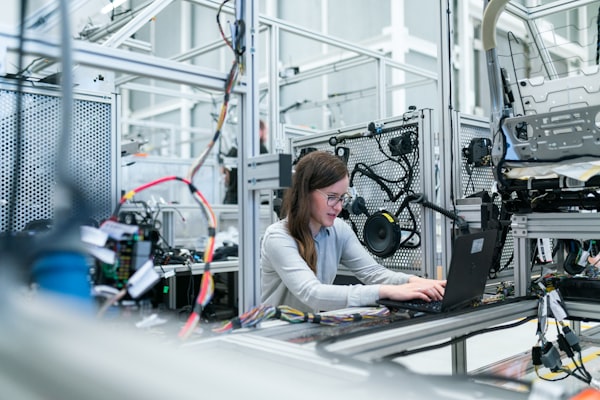 Robots come in many forms, each designed for specific tasks and environments.
Which Type of Robot Kit is Right for My Project?
Robots aren't one-size-fits-all. They come in a fascinating array of shapes and sizes, each optimized for different functions. Understanding these basic categories can help you narrow down your kit choice and align it with your interests. Are you fascinated by movement, manipulation, or interaction?
Common types include mobile robots (like wheeled or tracked vehicles), robotic arms (for picking and placing), humanoids (designed to mimic human form), and even drones. Each type offers unique learning experiences and challenges. Learn more about the different types of robots.
What kind of robot do you want to build?
Great! Explore Mobile Robotics Kits
If you're excited about robots that navigate environments, consider kits focused on wheeled, tracked, or even legged locomotion. These often involve learning about motor control, obstacle avoidance, and pathfinding algorithms. Look for kits with robust chassis and various sensor options like ultrasonic or infrared. They're fantastic for understanding basic mechanics and programming movement.
Perfect for Robotic Arm Kits
For those interested in precision and manipulation, a robotic arm kit is an excellent choice. These kits teach you about servo motors, inverse kinematics (how to position the arm), and control systems. You'll learn to program sequences of movements to pick up, place, or sort objects. They offer a deep dive into mechanical design and precise control.
Fantastic! Look into Interactive & Humanoid Kits
If you want a robot that can respond to its surroundings, express emotions, or even mimic human actions, explore kits with advanced sensors (like cameras or microphones) and more complex programming capabilities. These often involve AI concepts, facial recognition, or speech processing. They are excellent for exploring human-robot interaction and advanced programming.
What Parts Make Up a Robotics Kit?
While every kit is unique, most share a common set of fundamental components that work together to bring your robot to life. Understanding these building blocks will not only help you assemble your kit but also empower you to troubleshoot and eventually innovate beyond the instructions.
Key components typically include a microcontroller (the robot's brain), actuators (like motors that make it move), sensors (to perceive its environment), a power source (batteries), and a chassis (the structural frame). Each plays a vital role in the robot's overall function. Get a detailed breakdown of common robot components.
Many beginner kits use microcontrollers like Arduino or micro:bit. These are small, low-power computers designed to perform specific tasks, perfect for controlling motors and reading sensors. They are excellent for learning fundamental programming and electronics.
More advanced kits might feature single-board computers (SBCs) like the Raspberry Pi. SBCs are more powerful, capable of running full operating systems, handling complex computations, and even supporting AI applications. While they offer greater flexibility, they also introduce more complexity in terms of setup and programming. Choosing between a microcontroller and an SBC often depends on the complexity of your desired robot and your comfort level with programming.
How Do I Make My Robot Move? Understanding Robot Programming
Programming is the magic that breathes life into your robot. It's how you tell it what to do, when to do it, and how to react to its environment. Don't let the word 'coding' intimidate you; modern robotics kits make it incredibly accessible.
"Programming isn't just about writing lines of code; it's about teaching a machine to think and act. It's the ultimate creative problem-solving tool in robotics."
— Dr. Anya Sharma, Lead Robotics Engineer at iBuyRobotics
From simple block-based interfaces that teach logic to powerful text-based languages like Python, there's a programming method for every skill level. Your kit's instructions will guide you through the initial steps, and soon you'll be writing your own commands. Start understanding robot programming basics here.
Ready to Buy? How to Choose Your Perfect Robotics Kit
With so many exciting options, selecting your first robotics kit can feel overwhelming. The key is to consider a few important factors that will ensure your kit is a perfect match for your learning style, goals, and budget. Think about what you want to achieve and what kind of experience you're looking for.
Consider the recommended age range, the complexity of the build, the programming language used, and the potential for expansion or future projects. Don't just pick the flashiest box; choose the one that aligns with your curiosity. Get a detailed guide on how to choose your perfect kit.
Your First Kit Selection Checklist
0 of 5 completedThis kit is specifically designed for absolute beginners, featuring block-based programming, clear step-by-step instructions, and a robust mobile platform perfect for learning motor control and sensor integration.
 Careful assembly is key to a successful first robot build.
My Kit Just Arrived! What Do I Do First?
The excitement of unboxing your new robotics kit is unmatched! But before you dive headfirst into assembly, a little preparation can save you a lot of frustration. Start by organizing your workspace and carefully reading through the entire instruction manual. This will give you a clear overview of the build process and help you identify all the parts.
Take your time with each step, double-checking connections and ensuring components are correctly oriented. Don't rush! The initial build is a crucial learning experience. Find a detailed guide on what to do when your kit arrives.
A good set of small screwdrivers, pliers, and wire strippers can make your assembly process much smoother and prevent damage to delicate components.
What Comes After My First Robot?
Completing your first robot is a significant achievement, but it's just the beginning of an incredible journey. Robotics is a field of endless possibilities, and your initial kit is a springboard for deeper exploration. You might find yourself wanting to modify your robot, add new sensors, or program it to perform more complex tasks.
Many kits are designed to be expandable, allowing you to integrate additional modules or components. You can also explore online communities, participate in robotics competitions, or even design your own robots from scratch. The skills you gain from your first kit are transferable and form a solid foundation for any future STEM endeavors.
Ready to add more intelligence to your robot? This pack includes advanced sensors like a camera module, gesture sensor, and sound sensor to expand your robot's capabilities.
Continue Your Robotics Journey
Your first robot is a testament to your curiosity and willingness to learn. Keep that momentum going! The world of robotics is vast and constantly evolving, offering endless opportunities for discovery and innovation. Here are some next steps to deepen your understanding:
Which Robotics Kit Matches My Skill Level?
Take our interactive quiz to find kits perfectly suited for your current experience, whether you're a novice or ready for a challenge.
Comparing Robotics Kits: What Features Matter Most?
Understand the critical features to look for when evaluating different kits, from programming options to expandability.
What Are the Best Robotics Kits for My Budget?
Discover top-rated kits that offer incredible value and learning opportunities without breaking the bank.