

What You'll Discover in This Guide
Understanding Robotics Kits
Get a clear, jargon-free definition of what a robotics kit is and its fundamental purpose in learning and innovation.
Core Components Explained
Break down the essential parts that make up almost every robotics kit, from the brain to the moving parts.
Why Robotics Kits Matter
Understand the profound educational and personal benefits of engaging with robotics, for all ages and skill levels.
Choosing Your First Kit
Gain practical advice on how to select the perfect robotics kit to kickstart your journey into this exciting field.
 A modern robotics kit often includes a main circuit board, motors, and sensors.
What Exactly Is a Robotics Kit?
At its heart, a robotics kit is a curated collection of parts and instructions designed to help you build a functional robot. Think of it like a LEGO set, but for electronics and programming. Instead of just snapping bricks together, you're assembling motors, sensors, circuit boards, and writing code to bring your creation to life. These kits remove the guesswork of sourcing individual components, providing everything you need in one package to get started quickly and efficiently.
The goal of a robotics kit is to make the complex world of robotics accessible to everyone, regardless of their prior experience. They serve as fantastic educational tools, hobbyist projects, and even prototyping platforms for more advanced users. From simple wheeled robots that follow lines to complex robotic arms, the variety of kits available means there's a perfect starting point for almost any interest.
While the concept of building automatons is ancient, modern robotics kits began to emerge in the late 20th century with the advent of affordable microcontrollers and personal computers. Early kits were often basic, focusing on simple mechanics and rudimentary electronics. The 2000s saw a boom with platforms like Arduino and Raspberry Pi making advanced computing accessible, leading to a new generation of sophisticated, programmable kits. Today, kits leverage powerful processors, advanced sensors, and user-friendly programming interfaces, making robotics more engaging and educational than ever before.
What Core Components Will I Find in a Kit?
Every robotics kit is a little different, but most share a common set of fundamental components that allow a robot to perceive, think, and act. Understanding these parts is key to grasping how your robot will function.
For a deeper dive into each of these essential parts, explore our detailed guide on What Parts Make Up a Robotics Kit?
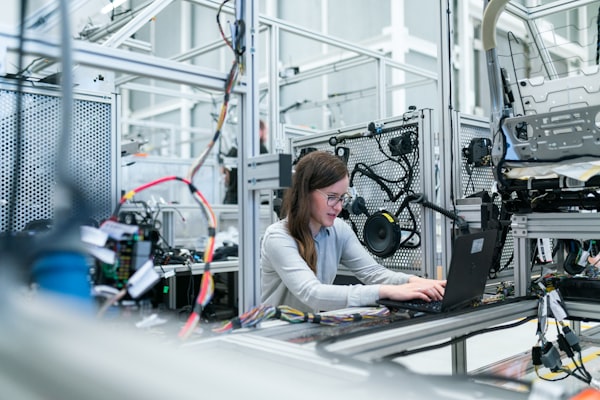 Robotics kits foster collaboration and hands-on learning for all ages.
Why Should I Care About Robotics Kits?
Engaging with robotics kits offers a wealth of benefits that extend far beyond just building a cool gadget. It's a hands-on pathway to developing critical 21st-century skills, fostering creativity, and understanding the technology that shapes our world. Whether you're a student, a parent, an educator, or just a curious individual, robotics kits provide an unparalleled learning experience.
They are powerful tools for teaching STEM (Science, Technology, Engineering, and Mathematics) concepts in an applied, engaging way. You learn about physics through movement, electronics through wiring, and computer science through programming. Beyond academics, robotics cultivates problem-solving abilities, logical thinking, patience, and perseverance as you troubleshoot and refine your robot's behavior. It's a journey of continuous discovery and innovation.
Curious about the broader impact? Read more about Why Should I Start Learning Robotics?
Which of these is a primary benefit of engaging with robotics kits?
The Real-World Impact of Learning with Kits
Robotics isn't just a hobby; it's a gateway to future careers and a deeper understanding of technology. Here's why it matters:
Which Type of Robotics Kit is Right for Me?
Robotics kits come in many forms, each tailored to different interests, skill levels, and learning objectives. Choosing the right type is crucial for a rewarding experience. Let's explore some common categories:
Educational Kits: Learn the Fundamentals
These kits are specifically designed for beginners, often with clear, step-by-step instructions, visual programming interfaces (like block-based coding), and a focus on core STEM principles. They are excellent for classrooms, homeschooling, or anyone taking their very first steps into robotics. Examples often include simple wheeled robots, robotic arms with limited degrees of freedom, or kits that teach basic electronics and coding concepts.
Best for: Children (6+), absolute beginners, educators, structured learning environments.
This kit is perfect for beginners, featuring block-based coding, clear assembly instructions, and engaging projects that teach fundamental robotics principles.
Hobbyist & DIY Kits: Explore and Create
Hobbyist kits offer more flexibility and often require a bit more technical understanding, sometimes involving text-based programming (like Python or C++). They are ideal for individuals who enjoy tinkering, customizing, and building projects for personal enjoyment. These kits might include more complex sensors, different types of locomotion (legged, tracked), or components for building drones or more sophisticated autonomous vehicles.
Best for: Teens and adults with some technical curiosity, makers, those looking for open-ended projects.
With Arduino compatibility and a range of advanced sensors, the ExplorerBot Pro is ideal for hobbyists ready to dive into custom programming and more complex builds.
Advanced & Prototyping Kits: Innovate and Develop
These kits are geared towards experienced users, engineers, and developers who want to build sophisticated robots or prototype new ideas. They often feature powerful single-board computers (like NVIDIA Jetson), advanced vision systems, AI capabilities, and require strong programming skills. The focus here is on performance, customization, and pushing the boundaries of what a robot can do.
Best for: University students, researchers, professional developers, experienced makers.
To help you narrow down your options further, check out our guide: Which Type of Robot Kit is Right for My Project?
Choosing Your First Robotics Kit: A Practical Checklist
With so many options, selecting your first kit can feel overwhelming. Use this checklist to guide your decision-making process and ensure you pick a kit that aligns with your goals and skill level.
Your Selection Checklist
0 of 5 completed From simple builds to complex industrial applications, robotics starts with fundamental understanding.
Getting Started: What to Expect After Unboxing
Once you've chosen your kit and it arrives, the real fun begins! The first step is typically assembly, which involves carefully putting together the mechanical and electronic components according to the provided instructions. This stage is crucial for understanding the physical structure and how different parts connect. Take your time, follow the diagrams, and don't hesitate to re-read steps if something isn't clear.
After assembly, you'll move on to the programming phase. Most beginner kits come with example code and tutorials to get your robot performing its first actions. This is where you'll learn to write or modify code to control motors, read sensor data, and implement basic behaviors. It's an iterative process of coding, uploading, testing, and debugging. Celebrate small victories, like your robot moving forward or detecting an obstacle, as each step builds your confidence and knowledge.
"The beauty of robotics kits is that they transform abstract concepts into tangible, interactive experiences. You don't just read about circuits; you build one. You don't just learn about code; you see its immediate impact on a physical machine."
— Dr. Anya Sharma, Robotics Education Specialist
Beyond the Build: Expanding Your Robotics Journey
Building your first robot is just the beginning. Robotics is a vast and continuously evolving field, offering endless opportunities for learning and creativity. Once you've mastered the basics of your initial kit, consider these next steps to deepen your understanding and expand your skills:
Expand your robot's perception with this pack, including a line-following sensor, IR distance sensor, and a sound sensor, perfect for more complex projects.
Frequently Asked Questions About Robotics Kits
Do I need prior coding experience to use a robotics kit?
Not at all! Many beginner-friendly kits are designed for absolute novices. They often use visual, block-based programming interfaces (like Scratch or Blockly) that make coding intuitive and fun, without needing to write complex syntax. As you progress, you can then transition to text-based languages like Python or C++.
Are robotics kits only for kids?
Absolutely not! While many kits are excellent for children's education, there's a vast range of kits designed for teens, adults, and even professional engineers. Hobbyist and advanced kits offer complex challenges, sophisticated components, and opportunities for deep learning and innovation at any age. The benefits of problem-solving and creative thinking are universal.
How long does it take to build a robotics kit?
This varies greatly depending on the kit's complexity. Simple beginner kits might take a few hours to assemble and get running. More advanced kits with intricate mechanics and complex programming could take days or even weeks of dedicated effort. The key is to enjoy the process and learn along the way, rather than rushing to a finish line.
Further Reading