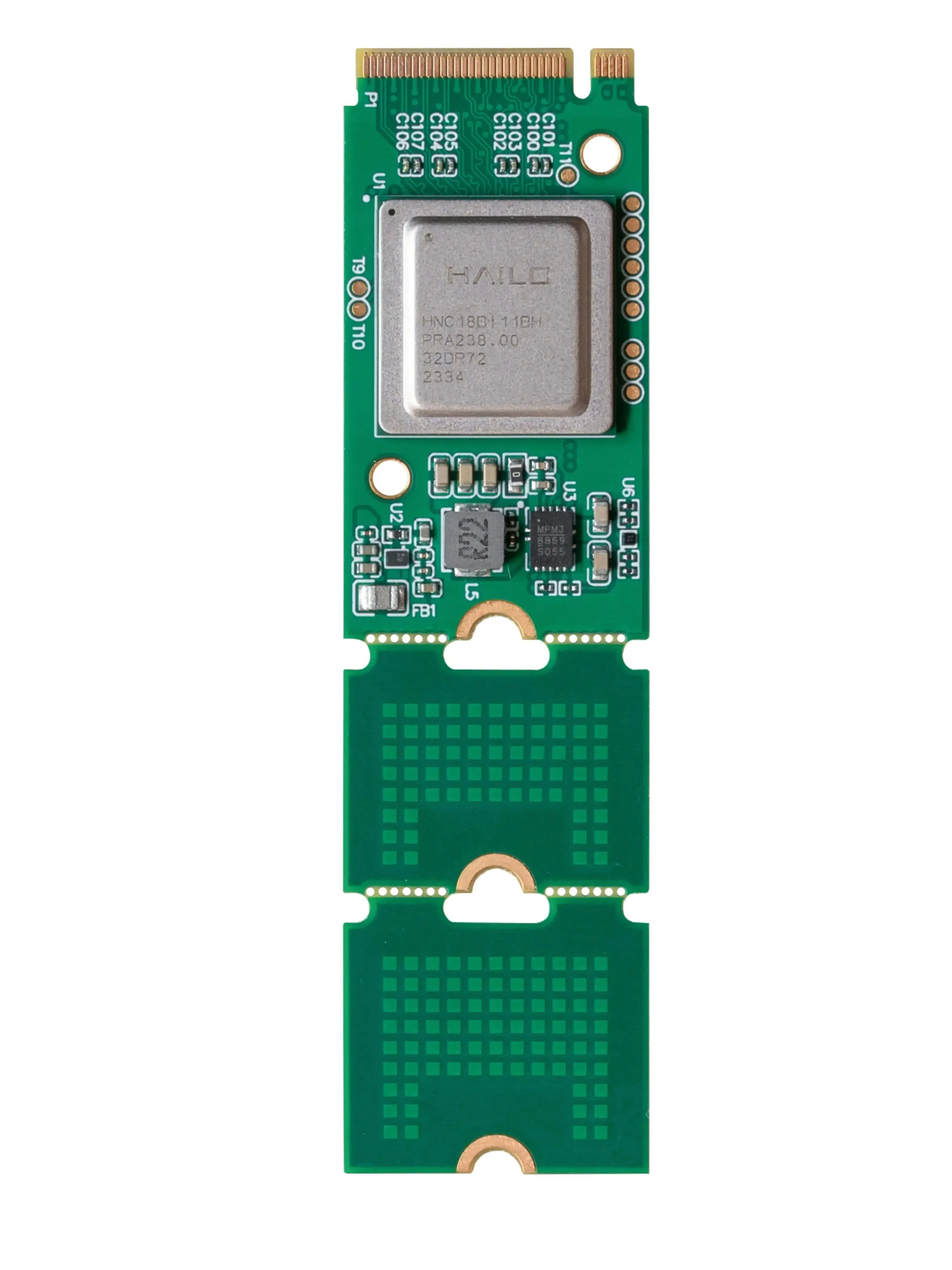
What You'll Learn About Robot Budgeting
Core Component Costs
Break down the expenses for essential parts like microcontrollers, motors, and sensors, understanding how they scale with complexity.
Hidden Expenses & Tools
Identify often-overlooked costs like shipping, consumables, software, and the necessary tools that add to your total investment.
Budgeting Strategies
Learn practical approaches to allocate funds, prioritize spending, and create a realistic financial roadmap for your robot project.
Build vs. Buy Impact
Understand how deciding to build from scratch versus buying a kit or pre-assembled robot significantly affects your overall budget.
 Every component, from the smallest resistor to the main processor, contributes to the final cost.
Why Does Robot Budgeting Matter So Much?
Embarking on a robotics project is exciting, but without a clear understanding of the costs involved, it's easy to get sidetracked or run out of funds. A well-planned budget isn't just about saving money; it's about ensuring your project reaches completion, avoiding frustrating delays, and making informed decisions about component selection.
Think of it as your project's financial blueprint. It helps you prioritize, identify potential cost-saving opportunities, and prepare for unexpected expenses. Whether you're building a simple hobby robot or a complex industrial prototype, a solid budget is your best friend.
What Are the Core Components Driving Your Robot's Cost?
The majority of your robot's budget will likely be allocated to its physical components. These vary wildly depending on your robot's purpose, complexity, and desired performance. Let's break down the main categories.
Mobile Robot Component Costs (Example: Autonomous Rover)
For a basic mobile robot, you'll need a robust chassis, motors for movement, a microcontroller for control, and sensors for navigation. Costs can range significantly based on precision and durability.
| Component | Low-Cost Estimate | Mid-Range Estimate | High-End Estimate |
|---|---|---|---|
| Microcontroller (e.g., Arduino Uno) | $25 | $50 (e.g., Raspberry Pi Zero) | $100+ (e.g., Raspberry Pi 5) |
| Motors (2-4 DC gear motors) | $30 | $80 (e.g., Stepper motors) | $200+ (e.g., Brushless DC) |
| Motor Drivers | $15 | $40 | $100+ |
| Chassis/Frame | $20 (DIY plastic) | $70 (Aluminum kit) | $200+ (Custom machined) |
| Sensors (Ultrasonic, IR) | $10 | $50 (Lidar Lite) | $200+ (Intel RealSense) |
| Battery & Charger | $20 | $50 | $100+ |
| Estimated Subtotal | $120 | $340 | $900+ |
Manipulator Arm Component Costs (Example: 3-Axis Arm)
Robotic arms require precise, high-torque actuators, a sturdy frame to handle loads, and often more advanced control systems. The number of axes directly impacts complexity and cost.
| Component | Low-Cost Estimate | Mid-Range Estimate | High-End Estimate |
|---|---|---|---|
| Microcontroller (e.g., ESP32) | $15 | $60 (e.g., Teensy 4.1) | $150+ (e.g., Industrial PLC) |
| Servos/Steppers (3-5 units) | $50 (Plastic gear servos) | $200 (Metal gear servos) | $1000+ (Industrial stepper/BLDC) |
| Frame/Structure | $30 (3D printed) | $150 (Aluminum extrusion) | $500+ (Precision machined) |
| End Effector (Gripper) | $20 (Simple claw) | $80 (Hobby gripper) | $300+ (Custom pneumatic) |
| Power Supply | $20 | $60 | $150+ |
| Estimated Subtotal | $135 | $550 | $2100+ |
For more on how these crucial components work, check out our guide on How Do Robots Work? Understanding Their Essential Parts.
Small Drone Component Costs (Example: Quadcopter)
Drones have specialized components for flight stability and control, including powerful motors, electronic speed controllers (ESCs), and flight controllers with integrated sensors.
| Component | Low-Cost Estimate | Mid-Range Estimate | High-End Estimate |
|---|---|---|---|
| Flight Controller (e.g., CC3D) | $20 | $70 (e.g., Pixhawk Mini) | $200+ (e.g., DJI Naza) |
| Brushless Motors (4 units) | $40 | $100 | $300+ |
| ESCs (4 units) | $30 | $80 | $200+ |
| Frame (Carbon Fiber) | $25 | $60 | $150+ |
| Propellers (set of 4-8) | $10 | $20 | $50+ |
| Battery (LiPo) & Charger | $30 | $80 | $150+ |
| Estimated Subtotal | $155 | $410 | $1050+ |
Ready to Estimate? Your Interactive Robot Cost Estimator
Let's get a clearer picture of your potential expenses. This step-by-step estimator will guide you through the major cost categories, helping you think about what your specific project needs. Remember, these are estimates, but they'll give you a solid starting point.
Brain & Control System
This is your robot's central processing unit. Are you looking for a simple microcontroller for basic tasks or a powerful single-board computer for complex AI and vision?
- Basic Microcontroller (Arduino, ESP32): $15 - $50
- Mid-Range SBC (Raspberry Pi Zero/3): $25 - $75
- High-Performance SBC (Raspberry Pi 4/5, Jetson Nano): $80 - $250+
Consider your processing needs: simple automation, data logging, real-time image processing, or complex AI algorithms.
Actuators (Motors & Servos)
How will your robot move or manipulate objects? This category includes motors, servos, and their drivers. The number, type, and power of these will heavily influence cost.
- Small DC Gear Motors (2-4 units): $20 - $60
- Hobby Servos (4-8 units): $30 - $100
- Stepper Motors with Drivers (2-4 units): $80 - $250
- High-Torque Servos / Brushless DC Motors: $150 - $500+
Factor in torque, speed, and precision requirements.
Sensors & Perception
How will your robot interact with its environment? Sensors allow it to see, hear, feel, and navigate. From simple distance sensors to complex vision systems, costs vary widely.
- Basic Sensors (Ultrasonic, IR, Line Follower): $10 - $40
- Environmental Sensors (Temp, Humidity, Gas): $20 - $80
- Advanced Navigation (IMU, GPS, Encoder): $50 - $200
- Vision/Depth Sensors (Camera, Lidar, RealSense): $100 - $500+
What data does your robot need to collect?
Frame & Structure
The physical body of your robot. This can be as simple as a 3D-printed chassis or as complex as a custom-machined aluminum frame. Material and complexity are key cost drivers.
- DIY/3D Printed Parts: $10 - $50 (material cost)
- Basic Kit Chassis (Acrylic, Plastic): $30 - $80
- Aluminum Extrusion/Sheet Metal: $100 - $300
- Custom Machined/Carbon Fiber: $400 - $1000+
Consider durability, weight, and aesthetic requirements.
Power System
Your robot needs energy! This includes batteries, power adapters, voltage regulators, and charging solutions. Don't skimp here; reliable power is crucial.
- Small LiPo Battery & Basic Charger: $20 - $50
- Mid-Capacity Li-ion Pack & Smart Charger: $60 - $150
- High-Capacity/Specialty Battery & PSU: $200 - $500+
How long does your robot need to operate? What are its peak power demands? For a deeper dive, read our guide on How to Power Your Robot: Batteries, Adapters & More.
Estimated Total & Next Steps
Based on your selections, you can now sum up your estimated component costs. Remember, this is just the beginning! The next sections will cover other crucial expenses.
Your Estimated Component Subtotal: (User would manually sum their selections here)
Keep this number in mind as we explore other budget considerations like tools, software, and those sneaky hidden costs.
What Are the Hidden Costs You Might Overlook?
It's easy to focus solely on the major components, but many robotics projects encounter budget overruns due to unforeseen or underestimated expenses. Let's shine a light on these often-hidden costs.
Ordering parts from multiple vendors, especially internationally, can quickly add up in shipping costs and customs duties. Always factor in these charges, particularly for specialized components.
Think beyond the final parts. You'll need solder, wires, breadboards, jumper cables, heat shrink, zip ties, screws, nuts, bolts, and potentially 3D printer filament for prototypes. These small items accumulate.
While many robotics tools are open-source, some specialized CAD software, simulation environments, or cloud-based AI services might come with subscription fees. Research these early.
If you're new to certain aspects of robotics, you might invest in online courses, books, or workshops. While invaluable for skill development, these are still budget items.
What Tools and Software Will You Need to Invest In?
Beyond the robot itself, you'll need a workshop setup. The right tools and software can make your build much smoother and more efficient. Here's a checklist of common necessities.
Your Robotics Workshop Checklist
0 of 7 completedShould You Build or Buy? The Budget Impact
One of the earliest and most significant decisions you'll make is whether to build your robot from individual components or purchase a pre-built kit or system. Each path has distinct financial implications.
What's your primary goal for this robot project?
Building from Scratch: Max Learning, Variable Cost
If your goal is to deeply understand every aspect of robotics, building from scratch offers unparalleled learning. Financially, it often means a lower initial component cost for basic functionality, but can incur higher costs in tools, prototyping materials, and potentially more time spent debugging. You have full control over customization, but also full responsibility for sourcing and integration. This path is often more budget-friendly for hobbyists willing to invest time over money.
For more insights, explore our guide: Should You Build Your Own Robot or Buy a Pre-Built One?
Buying a Kit: Balanced Cost, Faster Results
Robot kits provide a fantastic balance. They come with all necessary components, clear instructions, and often pre-written code, significantly reducing the learning curve and time investment. While the upfront cost of a kit might be higher than buying individual components for a similar basic robot, you save on research, compatibility issues, and potential mistakes. This is ideal for beginners or those who want to get a functional robot quickly.
Perfect for beginners, this kit includes all parts, a detailed guide, and sample code to get your first mobile robot running quickly and within a predictable budget.
Pre-Built/Industrial Solutions: Higher Upfront, Lower Development
For specific industrial applications, research, or complex tasks, a pre-built, specialized robot or system might be the most cost-effective in the long run. While the initial purchase price is significantly higher, you're paying for proven reliability, advanced features, and reduced development time. This shifts your budget from component sourcing and integration to deployment and maintenance. This is typically for professional or advanced projects where time-to-market and reliability are paramount.
 Choosing the right power source is critical for performance and safety.
How Do You Budget for Your Robot's Power System?
The power system is the lifeblood of your robot, and its cost can vary widely based on your robot's energy demands. You'll need to consider not just the battery itself, but also charging solutions and power management components.
For smaller, low-power robots, a simple AA battery pack or a small LiPo battery might suffice. As your robot grows in size and complexity, requiring more powerful motors or advanced sensors, you'll need higher-capacity LiPo or Li-ion battery packs, often with dedicated smart chargers. Industrial applications might even require robust AC-DC power supplies or specialized battery management systems (BMS).
Always prioritize safety and compatibility when selecting power components. An undersized power system can lead to poor performance or even damage, while an oversized one can be an unnecessary expense and add weight.
A reliable power solution for mid-range mobile robots and robotic arms, offering good capacity and a safe, efficient charging experience.
Quick Check: Test Your Budgeting Knowledge
Let's see if you've absorbed the key budgeting principles for your robot project!
Which of these is generally considered a 'hidden cost' in robotics projects?
Key Takeaways for Smart Robot Budgeting
Effective budgeting is about more than just numbers; it's about strategic planning and foresight. Keep these principles in mind for a successful, on-budget project.
Ready to Plan Your Robot Project?
Now that you have a clearer understanding of how to budget for your robot, it's time to put that knowledge into action. Planning is the cornerstone of any successful robotics endeavor.
Start Your Project Right
Dive into our comprehensive guide on Planning Your Robot Project: From Idea to Reality to structure your build effectively.
Explore Component Details
Deepen your understanding of individual parts with How Do Robots Work? Understanding Their Essential Parts.
Power Your Creation
Ensure your robot has the energy it needs by reading How to Power Your Robot: Batteries, Adapters & More.
Further Reading