

What Factors Influence a Humanoid Robot's Price Tag?
The journey to owning a humanoid robot involves more than just the initial purchase price. Think of it like buying a car: there's the sticker price, but also fuel, insurance, and maintenance. Humanoid robots are similar, with several key areas contributing to the overall investment.
Initial Hardware
This covers the physical robot itself: chassis, actuators, sensors, and processing units. Complexity and capabilities directly impact this cost.
Software & AI
Operating systems, AI frameworks, specialized applications, and development tools can be a significant, often recurring, expense.
Maintenance & Repairs
Like any complex machine, humanoids require periodic servicing, replacement parts, and potential repairs over their operational lifespan.
Accessories & Upgrades
Optional add-ons like specialized end-effectors, charging docks, or performance upgrades can enhance functionality but add to the total cost.
Beyond the obvious, consider costs like specialized training for operators, integration services if the robot needs to work with existing systems, and even energy consumption. For advanced research or industrial applications, custom programming and data storage can also become significant line items. Always factor in potential downtime for updates or repairs when planning your budget and operational schedule.
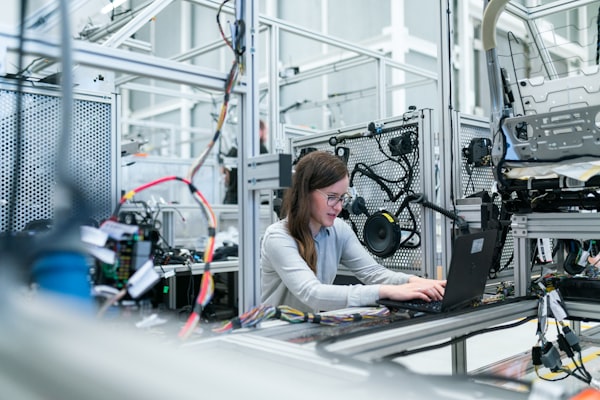
 The intricate hardware of a humanoid robot, including wiring and circuit boards, contributes significantly to its base cost.
What Drives the Hardware Cost?
The physical construction of a humanoid robot is a marvel of engineering, and its components are often precision-manufactured. The primary cost drivers here are the quality and quantity of actuators (the 'muscles' that enable movement), the sophistication of its sensor array (cameras, lidar, force sensors), and the materials used for its chassis.
High-performance, lightweight materials like aerospace-grade aluminum or carbon fiber, coupled with advanced servo motors and high-resolution sensors, naturally command a higher price. Entry-level humanoids might use more standard components, offering a balance of performance and affordability.
Essential for smooth, powerful humanoid movement, these actuators offer precision and durability, directly impacting your robot's agility and lifespan.
 Advanced AI algorithms and robust software frameworks are the 'brain' behind a humanoid robot's intelligence.
How Much Does the "Brain" Cost? Software and AI.
While hardware provides the body, software gives the robot its intelligence and functionality. This includes the operating system (often a specialized Linux distribution like ROS), AI frameworks for perception and decision-making, and application-specific software for tasks like navigation, object manipulation, or human interaction.
Proprietary software licenses, especially for advanced AI capabilities or specialized industrial applications, can add significantly to the cost. Open-source alternatives exist, offering flexibility but often requiring more technical expertise for implementation and customization.
Which typically requires more upfront technical expertise for implementation?
What About Keeping Your Robot Running?
Long-term ownership of a humanoid robot involves ongoing operational and maintenance costs. These can include:
Humanoid Maintenance Checklist
0 of 5 completed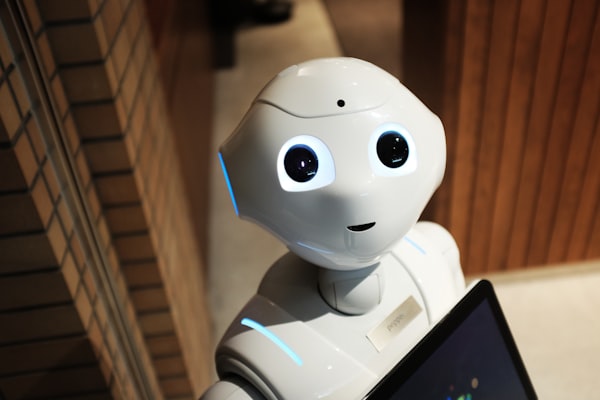 Specialized end-effectors and charging stations are common accessories that enhance a humanoid robot's utility.
Do I Need Accessories? Customizing Your Humanoid.
Depending on your humanoid robot's intended use, you might consider various accessories and upgrades. These can range from practical necessities to performance enhancements or aesthetic customizations. Common accessories include specialized grippers or tools (end-effectors) for specific tasks, advanced charging docks for extended operation, or additional external sensors for enhanced environmental awareness.
While not always essential for basic operation, these additions can significantly boost productivity, safety, or integration into specific environments. For instance, a humanoid used in a warehouse might benefit from a heavy-duty gripper, while one in a retail setting might need a more expressive faceplate.
Ensure your humanoid robot is always ready for action with an intelligent charging dock that optimizes battery life and provides autonomous recharging capabilities.
Real-World Examples: What Do Specific Humanoids Cost?
Humanoid robot pricing varies widely based on their intended application, sophistication, and production scale. Here's a general idea of what to expect:
For a detailed breakdown of specific models and their features, explore our Humanoid Robot Comparison Guide.
Estimate Your Humanoid Robot Investment
Use our interactive calculator below to get a personalized estimate of your humanoid robot's total cost, factoring in various options and long-term considerations. This will help you build a realistic budget.
What's Your Primary Use Case?
This helps us determine the base complexity and feature set required.
Base Estimate: $10,000 - $30,000
These models prioritize accessibility and learning. Expect robust, but not bleeding-edge, components.
Base Estimate: $50,000 - $200,000
Designed for advanced experimentation, these often feature modular designs and high-precision components.
Base Estimate: $250,000 - $1,000,000+
Built for reliability, specific tasks, and often integrate with existing enterprise systems. Customization is common.
Software & AI Needs?
Consider the level of intelligence and autonomy your robot requires.
Additional Cost: $0 - $5,000 (for tools/libraries)
Leverages free frameworks like ROS, but requires significant development time.
Additional Cost: $5,000 - $25,000 (annual licenses possible)
Includes commercial operating systems or pre-trained AI modules for common tasks.
Additional Cost: $25,000 - $100,000+ (significant custom development)
For highly specialized tasks, requiring bespoke AI models and extensive integration.
Maintenance & Support Plan?
How will you ensure your robot stays operational?
Annual Cost: $500 - $2,000 (parts only)
You handle all repairs and preventative maintenance. Requires technical skill.
Annual Cost: $2,000 - $10,000 (includes parts, remote support)
Manufacturer-provided service plans covering common issues and remote diagnostics.
Final Estimate & Summary
Based on your selections, here's a general estimate of your humanoid robot investment. Please note this is an approximation.
| Category | Estimated Cost Range |
|---|---|
| Base Hardware | $0 - $0 |
| Software & AI | $0 - $0 |
| Annual Maintenance | $0 - $0 |
| Total Initial Investment | $0 - $0 |
| Total Annual Operating Cost | $0 - $0 |
(Note: This calculator provides a broad estimate. For precise figures, please consult with our sales team.)
 Evaluating the long-term value and return on investment is crucial when considering a humanoid robot.
Is a Humanoid Robot Worth the Investment?
Beyond the raw numbers, the true value of a humanoid robot lies in its return on investment (ROI). For businesses, this could mean increased efficiency, reduced labor costs for repetitive tasks, enhanced safety in hazardous environments, or improved customer service. For researchers, it's about advancing scientific understanding and developing new technologies. For educators, it's an unparalleled tool for inspiring the next generation of engineers and scientists.
Carefully consider the specific problems your humanoid robot will solve and the benefits it will bring. A higher upfront cost might be justified by significant long-term savings or strategic advantages. It's not just about the price tag, but the value it unlocks.
To help you weigh your options, consider reading our guide on Choosing Your Humanoid: What Features Should You Look For?
Ready to Explore Further?
Whether you're just starting your research or ready to make a purchase, iBuyRobotics is here to guide you.
Compare Models
Dive into detailed specifications and side-by-side comparisons of leading humanoid robots.
View Comparison →Find Your Perfect Match
Get expert advice on selecting the humanoid robot that best fits your specific needs and budget.
Get Recommendations →Browse Our Store
Explore our curated selection of humanoid robots, components, and accessories.
Shop Now →Further Reading