

What Concerns Do We Need to Address?
When we talk about humanoid robots, it's natural to have questions, especially around safety and how they'll fit into our lives. These aren't just machines; they're designed to interact with us, often in our personal spaces. Understanding the core concerns helps us appreciate the thoughtful engineering and policy work going into their development.
Physical Safety
How are robots designed to prevent harm to humans and their surroundings? We'll look at materials, movement, and emergency protocols.
Data Privacy
What kind of data do humanoids collect, how is it stored, and who has access to it? Understanding data handling is crucial.
Ethical Implications
Beyond immediate safety, we'll explore the broader societal and moral questions that arise with advanced humanoid robots.
Misconceptions
Separating fact from fiction is key. We'll tackle common fears and clarify what modern humanoids are (and aren't) capable of.
 Modern robots are designed with human interaction in mind, prioritizing soft materials and controlled movements.
How Are Humanoid Robots Designed for Physical Safety?
The primary concern for many is the physical interaction with a powerful machine. Modern humanoid robots are engineered from the ground up with safety as a paramount design principle. This isn't about simply adding a safety switch; it's integrated into every layer, from materials to software.
Engineers use lightweight, impact-absorbing materials for external casings, often incorporating soft robotics principles to minimize injury risk during accidental contact. Advanced force-sensing technologies allow robots to detect unexpected resistance and immediately reduce power or stop movement. Think of it like a car's crumple zone, but for a robot's interaction with its environment.
- Soft Actuators: Instead of rigid motors, some humanoids use pneumatic or hydraulic systems that can be inherently compliant, meaning they can yield to external forces without causing damage.
- Collision Detection: Integrated sensors (tactile, proximity, vision) constantly monitor the robot's surroundings. If an object or person enters a predefined safety zone, the robot can slow down or halt.
- Emergency Stop Buttons: Both physical and software-based emergency stops are standard. These allow immediate power cutoff in critical situations, often located prominently on the robot or its control interface.
- Limited Force Output: Many humanoids are programmed to operate within strict force limits, especially when interacting with humans. This prevents them from exerting dangerous levels of pressure.
- Predictive Path Planning: AI algorithms predict potential collisions and adjust the robot's movements in real-time to avoid them, making their actions more fluid and less abrupt.
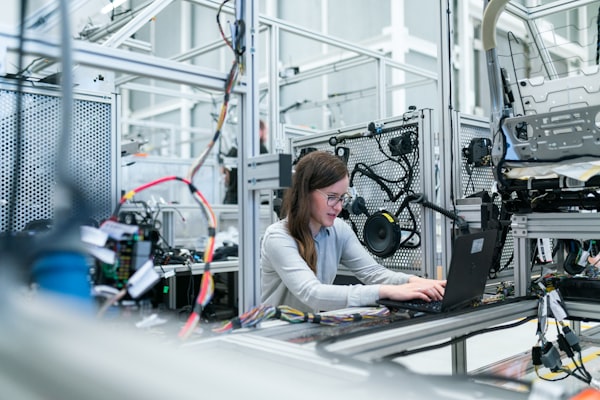 Robust cybersecurity measures are essential for protecting the sensitive data handled by humanoid robots.
What About Data Privacy and Security with Humanoids?
Humanoid robots, especially those designed for companionship or service, often interact with their environment and users in ways that involve data collection. This can include visual data (from cameras), audio data (from microphones), and even biometric data if advanced recognition features are enabled. The key is understanding what data is collected, how it's used, and how it's protected.
Reputable manufacturers implement strong encryption, secure cloud storage, and strict access protocols. Users typically have control over what data is shared and can often opt-out of certain data collection features. It's vital to review the privacy policy of any humanoid robot you consider, just as you would with a new smartphone or smart home device.
Your Humanoid Privacy Checklist
0 of 4 completedWhat Ethical Considerations Come with Humanoid Robots?
Beyond the immediate concerns of physical safety and data privacy, the rise of humanoid robots brings forth deeper ethical questions. These aren't just about what a robot can do, but what it should do, and how its presence might change human society and interaction. This field, often called 'Robot Ethics' or 'AI Ethics,' is a rapidly evolving area of study and policy development.
Key areas of discussion include the potential for emotional attachment, the impact on human employment, accountability for robot actions, and the prevention of bias in AI algorithms. For instance, if a humanoid robot is designed to be a companion, how do we ensure it doesn't foster unhealthy dependencies? Or, if it's used in elder care, how do we balance efficiency with genuine human connection?
"The true measure of our progress with AI and robotics won't be in how smart our machines become, but in how wisely we integrate them into a society that values human dignity and well-being."
— Dr. Anya Sharma, Lead Ethicist, Global Robotics Initiative
Addressing Common Misconceptions About Humanoid Robot Safety
Fear often stems from the unknown, or from exaggerated portrayals in science fiction. Let's tackle some of the most common worries people have about humanoid robots head-on.
Can humanoid robots 'turn against' humans?
This is a classic sci-fi trope, but in reality, modern humanoids operate under strict programming and safety protocols. They lack consciousness, free will, or the capacity for malicious intent. Their actions are dictated by their code, which is designed to be beneficial and non-harmful. Any perceived 'rebellion' would be a catastrophic software malfunction, not a conscious decision, and safety systems are in place to prevent such scenarios.
Are humanoids too strong or too fast to be safe around?
While some industrial robots are indeed very powerful, humanoids designed for human interaction are built with force limitations and speed governors. Their movements are often deliberately slower and more predictable than a human's, especially in shared spaces. As mentioned, soft materials and advanced sensors also mitigate impact risks.
Could a humanoid robot be hacked and controlled by someone else?
Like any connected device, humanoids are susceptible to cyber threats. However, manufacturers invest heavily in cybersecurity, implementing encryption, secure boot processes, and regular software updates to patch vulnerabilities. Users also play a role by using strong passwords and keeping their robot's software current. It's a constant battle, but one that developers take very seriously.
Will humanoids replace human jobs entirely?
This is a complex economic question, not strictly a safety one, but it's a common concern. While humanoids may automate certain repetitive or dangerous tasks, they are also expected to create new jobs in areas like robot maintenance, programming, and human-robot interaction design. The goal is often augmentation, not outright replacement, allowing humans to focus on more creative and complex tasks.
The Evolving Landscape of Robot Safety & Regulation
The robotics industry is not operating in a vacuum. International standards and national regulations are continuously being developed to ensure the safe and ethical deployment of humanoid robots.
Organizations like the International Organization for Standardization (ISO) publish guidelines such as ISO 13482, specifically addressing safety requirements for personal care robots. These standards cover everything from design and risk assessment to testing and information for use. Governments are also exploring frameworks to address privacy, liability, and ethical AI development. This collaborative effort ensures that as humanoids become more capable, their integration into society is managed responsibly.
Your Role in Ensuring Humanoid Robot Safety
While manufacturers bear the primary responsibility for designing safe robots, users also have a crucial role to play. Responsible ownership and interaction are key to a positive and secure experience. This includes understanding your robot's capabilities and limitations, maintaining its software, and adhering to recommended usage guidelines.
Just like owning a car requires understanding traffic laws and maintenance, owning a humanoid robot means understanding its operational parameters. Never attempt to modify a robot's core safety features or override its programming without expert knowledge, as this can create unforeseen hazards. Always prioritize safety for yourself, others, and the robot itself.
What is the MOST important step a user can take to ensure their humanoid robot's safety and security?
Ready to Explore Humanoid Robotics Safely?
Understanding the safety, privacy, and ethical considerations is the first step towards confidently engaging with humanoid technology. At iBuyRobotics, we're committed to providing not just cutting-edge robots, but also the knowledge to use them responsibly.
Designed with beginner safety in mind, the Sentinel Series features soft-touch components, integrated emergency stops, and clear privacy controls, making it an ideal platform for learning about humanoid robotics responsibly.
Continue Your Humanoid Journey
What Exactly Are Humanoid Robots & Why Do They Matter?
Get a foundational understanding of what defines a humanoid robot and their growing importance in various fields.
Ethical AI: What Should We Consider with Humanoid Robots?
Dive deeper into the moral and societal questions surrounding advanced AI and robotics.
Choosing Your Humanoid: What Features Should You Look For?
Ready to take the next step? Learn how to select a humanoid robot that fits your specific needs and interests.
Further Reading