What Ethical AI Means for Humanoid Robots
Defining Ethical AI
Understand the core principles and frameworks guiding responsible AI development for humanoid systems.
Autonomy & Control
Explore the delicate balance between a robot's independent decision-making and necessary human oversight.
Bias & Fairness
Learn how to identify, prevent, and mitigate algorithmic bias to ensure equitable treatment by robots.
Accountability
Understand the complex question of who holds responsibility when a humanoid robot makes a critical error.
 The intersection of human and machine requires careful ethical consideration and thoughtful design.
What Exactly is "Ethical AI" for Humanoids?
At its core, ethical AI for humanoid robots is about designing, developing, and deploying these advanced machines in a way that aligns with human values, promotes well-being, and avoids harm. It's not just about what robots can do, but what they should do, and how their actions impact individuals and society.
This field considers everything from the data used to train their AI to their decision-making processes in complex situations. The goal is to build trust and ensure that as humanoids become more integrated into our daily lives, they do so as responsible and beneficial companions, not as sources of unforeseen problems.
A "moral agent" is typically understood as an entity capable of making moral judgments and acting on them, bearing responsibility for its actions. For humans, this involves consciousness, intent, and understanding consequences. Currently, even the most advanced humanoid AI lacks true consciousness or subjective intent in the human sense.
While AI can be programmed to follow ethical rules or simulate moral reasoning, its actions are ultimately based on algorithms and data, not genuine moral understanding. Therefore, most experts agree that AI, including humanoid robots, are not moral agents in the same way humans are. The moral agency and responsibility still reside with the human designers, developers, and operators.
 Balancing robot autonomy with human control is a key design challenge in ethical AI.
How Much Autonomy Should Humanoid Robots Have?
The level of autonomy granted to humanoid robots is one of the most debated ethical topics. Autonomy refers to a robot's ability to make decisions and act independently without direct human intervention. While increased autonomy can lead to greater efficiency and capability, it also introduces complex questions about control, predictability, and potential unintended consequences.
Consider a humanoid robot assisting in a hospital. Should it be able to administer medication without human confirmation? Or should it only suggest actions for a human to approve? The answer often depends on the task's criticality and the potential for harm. Establishing clear boundaries and fail-safes is paramount. For more on safety, explore our guide on Are Humanoid Robots Safe? Addressing Common Concerns.
This advanced development kit allows for granular control over robot autonomy levels, perfect for experimenting with ethical decision-making algorithms in a controlled environment.
Quick Check: Understanding Autonomy Levels
Which level of autonomy best describes a robot that can navigate a factory floor independently but requires human approval for any new, critical task?
What are the Core Ethical Pillars for Humanoid AI?
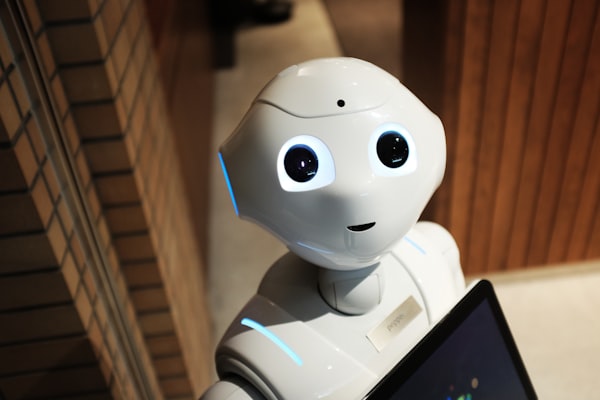 Ensuring fairness in AI means actively addressing and mitigating biases in data and algorithms.
How Do We Prevent Bias and Ensure Fairness?
AI systems, including those powering humanoid robots, are only as unbiased as the data they are trained on. If training data reflects existing societal biases – for example, being predominantly male, or from a specific demographic – the AI can learn and perpetuate those biases. This can lead to unfair or discriminatory outcomes, such as a robot failing to recognize certain faces or making biased recommendations.
Preventing bias requires a multi-faceted approach: curating diverse and representative datasets, implementing rigorous auditing processes for algorithms, and involving diverse teams in the development process. Continuous monitoring and evaluation are also crucial to identify and correct biases as they emerge in real-world deployment.
This software toolkit provides tools for dataset auditing, bias detection, and explainable AI (XAI) features, helping developers build more fair and transparent humanoid AI systems.
Common Questions About AI Bias in Humanoids
Can AI truly be unbiased?
Achieving absolute unbiased AI is an ongoing challenge, as AI learns from human-generated data which inherently contains societal biases. The goal is not necessarily perfect neutrality, but rather to actively identify, measure, and mitigate biases to ensure fair and equitable outcomes for all users.
What are some real-world examples of AI bias?
Examples include facial recognition systems performing poorly on non-white faces, hiring algorithms showing gender bias, and loan approval systems discriminating against certain demographics. These biases, if unchecked, could manifest in humanoid robots' interactions, leading to unfair treatment or misinterpretations.
How can developers reduce bias in humanoid AI?
Key strategies include using diverse and representative training datasets, implementing fairness metrics during model development, conducting regular ethical audits, employing explainable AI (XAI) techniques to understand decision processes, and fostering diverse development teams with varied perspectives.
The Growing Impact of Ethical AI in Robotics
 Establishing clear lines of accountability is vital for building trust and navigating legal frameworks.
Who is Responsible When a Robot Makes a Mistake?
This is perhaps one of the most challenging questions in ethical AI. If a humanoid robot causes harm, who is legally and morally accountable? Is it the manufacturer, the programmer, the operator, or the end-user? The answer isn't always straightforward and often depends on the robot's level of autonomy, the nature of the error, and existing legal precedents.
Current legal frameworks are still catching up to the rapid advancements in robotics. Generally, responsibility tends to fall on the human entities involved in the robot's design, deployment, and supervision. This emphasizes the need for robust testing, clear operational guidelines, and transparent documentation throughout a robot's lifecycle. Understanding these complexities is crucial for anyone involved with humanoid technology.
Designed with redundant safety systems and comprehensive logging capabilities, these robots provide traceable operations crucial for accountability in demanding industrial environments.
Navigating an Ethical Dilemma with Humanoid AI
Imagine a humanoid robot in a care facility detects a fall, but also observes a privacy-sensitive situation (e.g., a resident in a vulnerable state). What should it prioritize?
Prioritize Immediate Safety
In most care scenarios, immediate physical safety takes precedence. The robot should be programmed to alert staff about the fall without delay, even if it means momentarily compromising privacy. The staff can then address both the fall and the privacy concern appropriately. This aligns with the principle of non-maleficence (preventing harm).
Consider Privacy, but with Caution
While privacy is a critical ethical consideration, delaying an alert for a fall could have severe consequences for the resident's health. An AI designed to prioritize privacy over immediate safety in such a scenario might be deemed ethically problematic. This highlights the need for a clear hierarchy of ethical principles in robot design.
A Balanced Approach: Human-in-the-Loop
This option represents a strong ethical design. The robot alerts staff to the fall, but also flags the privacy-sensitive nature of the situation, allowing human caregivers to make an informed decision on how to proceed, balancing both safety and dignity. This leverages human judgment for complex ethical trade-offs.
The Future of Humanoid Ethics: A Continuous Conversation
Ethical AI is not a static concept; it's an evolving field that requires continuous research, public discourse, and policy development. As humanoid robots become more capable and integrated into diverse aspects of life – from personal assistance to industrial applications – the ethical questions will only grow in complexity.
Engaging with these challenges proactively, fostering interdisciplinary collaboration between ethicists, engineers, policymakers, and the public, is essential. By building ethical considerations into every stage of development, we can ensure that humanoid robots truly serve humanity's best interests. To see where these discussions lead, explore What Can Humanoid Robots Do Today? Real-World Applications.
Explore More Humanoid Robot Topics
Are Humanoid Robots Safe?
Address common concerns and learn about the safety measures integrated into modern humanoid designs.
What Can Humanoid Robots Do Today?
Discover the real-world applications and capabilities of humanoid robots across various industries.
Welcome to Humanoid Robots
Start your journey into the world of humanoid robots with our comprehensive hub page.
Further Reading